In this article
How is a coil zipper made?
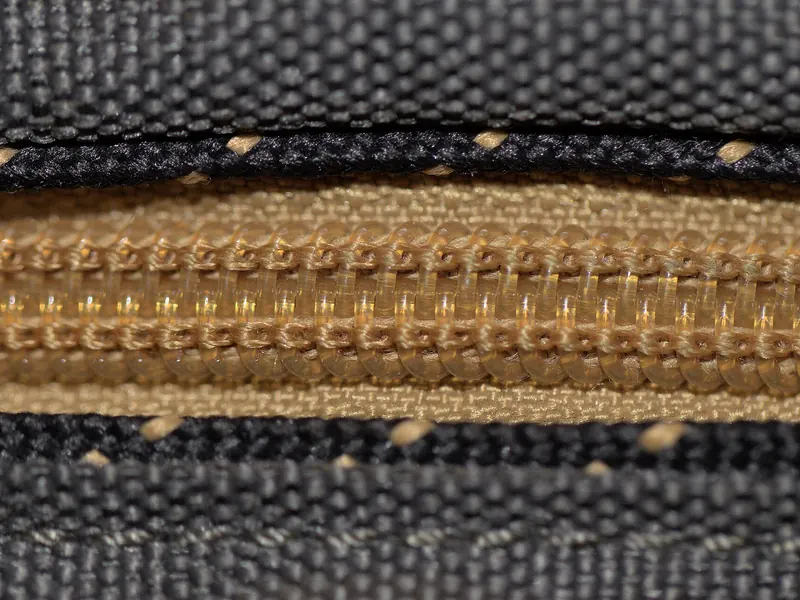
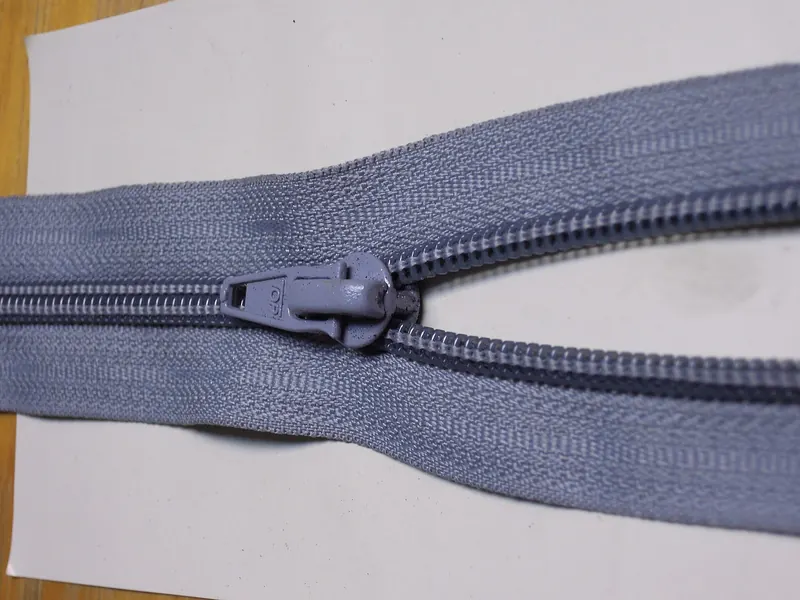
A single plastic filament is formed into a spiral, then sewn onto the tape or woven into it. These zippers are known as nylon or coil zippers, although most are actually polyester.
Where is it used?
Skirts, blouses, trousers, bags, tents, sleeping bags, cushions, upholstery and home textiles are its main uses.
Advantages
- Lightness: It adds little weight.
- Flexibility: It follows curved lines and pocket openings.
- Colour match: The coil can be made close to the tape colour.
Limits
- A continuous spiral lacks the decorative look of separate metal teeth.
- The half-tooth at a cut end can be sharp, so ends need careful finishing.
- Uneven sewing tension on each side can make the zipper wavy.
- Follow the manufacturer's ironing temperature.
Coil or molded?
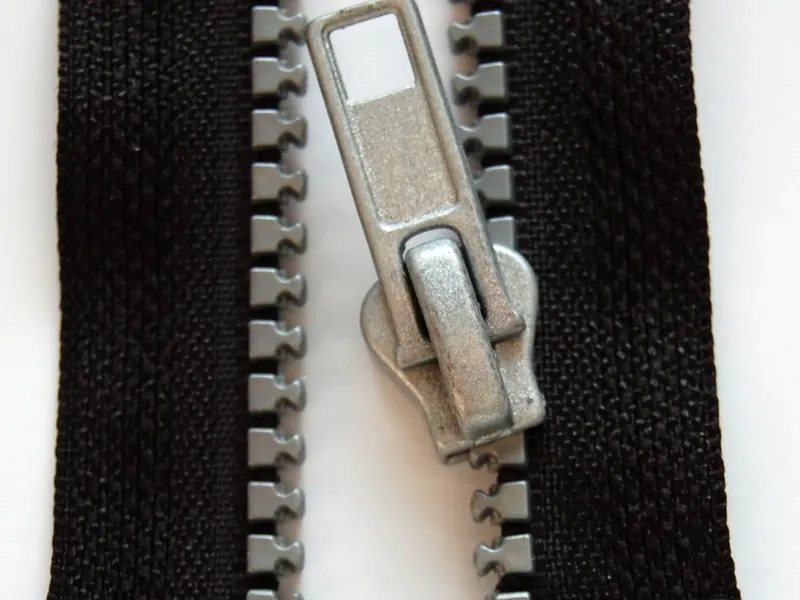
Coil is more flexible and follows curves. A molded plastic zipper has separate plastic teeth, is stiffer and works best on straight lines. MAK Zipper also produces molded zippers.
Called nylon, usually polyester
The trade says "nylon zipper", yet the coil is often polyester. According to Coats, polyamide is preferred for continuous chain on rolls because it flexes, while polyester suits ready-made or cut zippers. For your order, the size, end type and tape match matter more than the material name.
Which size for which product?
| Product | Common size | End type |
|---|---|---|
| Dresses, skirts (invisible) | Size 2-3 | Closed-end |
| Sweatshirts, light jackets | Size 3-5 | Open-end |
| Bags | Size 3-10 | Closed-end |
| Backpacks | Size 5-10 | Closed-end, two sliders |
| Pillows, bedding | Size 3-5 | Chain or closed-end |
When sewing
If the left and right tapes are sewn at different tension, the zipper bends. The half tooth at a cut can stay sharp, which is why plastic top stops are preferred on children's items. If you work from a roll, read the continuous chain guide. Options are on our nylon zipper page.